





Quick Summary
Plumbing emergencies require fast action to limit property damage and safety risks. Knowing what qualifies as an emergency, what to expect from a professional response, and addressing plumbing issues early can reduce disruption and prevent more serious repairs.
Pipes do not check the clock before they burst, and toilets do not wait for business hours to overflow. When something goes wrong at two in the morning, knowing who to call and what happens next can make a stressful situation far more manageable. A reliable 24-hour plumber Fremont residents can reach any time of day brings more than just a fast response. It brings the right tools, the right experience, and a calm approach to a chaotic moment. Emergencies rarely announce themselves ahead of time, which is exactly why having a trusted number saved before something goes wrong matters so much.
What is a Plumbing Emergency?
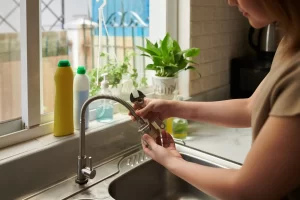
Not all plumbing problems need an emergency call at midnight, but some absolutely do. A burst pipe, a gas leak, sewage backing up into your home, or a water heater that is actively leaking and flooding a space all qualify as true emergencies. A slow drip from a faucet or a slightly clogged drain, while annoying, can usually wait until regular business hours. If you smell gas at any point, leave the property immediately and call your gas utility before calling a plumber. Safety always comes first, and a trustworthy plumbing team will tell you the same thing rather than rushing you off the phone. Frozen or cracked pipes during an unexpected cold snap can also escalate quickly and typically warrant an urgent call. A toilet that will not stop running water onto the floor, or a supply line that has snapped free from a fixture, are also situations that call for immediate attention rather than waiting until morning. When in doubt, it is always better to call and ask than to wait and risk further damage to your home. A quick phone conversation can usually clarify whether a situation needs a same-night visit or can safely hold until the next available appointment.
What to Do Before Help Arrives
For a burst pipe or major leak, locating and shutting off your main water valve can prevent significant damage while you wait. Most homes have this valve near the water meter or where the main line enters the house. For an overflowing toilet, shutting off the valve behind the toilet itself stops the flow quickly. Knowing where these shutoffs are located before an emergency happens is one of the simplest ways to protect your home. It is worth walking through your home now, before anything goes wrong, and physically locating each shutoff valve so you are not searching for them in a panic later. Taking a photo of the valve location on your phone, or labeling it clearly, can save precious minutes during an actual emergency. Keeping a flashlight and a few towels easily accessible can also help you manage a leak safely while waiting for a technician to arrive.
What to Expect When You Call
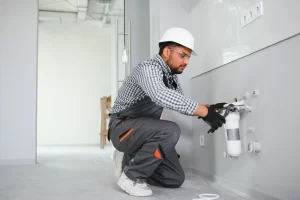
A dependable emergency plumbing team will ask a few quick questions to understand the severity of the situation before dispatching a technician. This helps prioritize truly urgent calls, like active flooding, over issues that can be scheduled for the next available slot. A good emergency service is built around this kind of triage, structured through general plumbing services designed to respond quickly when a situation is genuinely urgent, so that customers facing real emergencies are not left waiting behind less pressing calls. Once a technician arrives, expect a clear explanation of the problem, an upfront cost estimate before work begins, and a straightforward plan to resolve the issue as quickly and safely as possible.
Common Emergencies and How They Are Handled
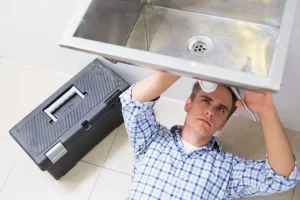
Burst pipes are typically addressed by first isolating the affected section, draining any remaining water, and replacing the damaged segment before restoring service to the rest of the home. Sewage backups require a more cautious approach, often starting with a camera inspection through sewer and drain services to identify whether the blockage stems from tree roots, a collapsed section of pipe, or another obstruction before any clearing work begins. A failing water heater that is actively leaking is usually shut off at the source first to stop the flooding, with the technician then determining whether a repair is possible or whether the unit needs to be replaced through water heater services on an expedited basis. Each of these situations calls for a slightly different approach, which is part of why having an experienced technician assess the specific circumstances matters more than following a one-size-fits-all process.
Preventing Future Emergencies
While not every emergency can be predicted, regular maintenance catches many problems before they become urgent. Aging pipes, worn water heater components, and tree roots infiltrating sewer lines are common causes of after-hours emergencies that often show smaller warning signs beforehand. Scheduling routine inspections can help identify these risks early, long before they turn into a middle-of-the-night call. Simple habits, like knowing the age of your major plumbing components and keeping an eye out for small leaks, also go a long way toward catching problems before they escalate.
Plumbing emergencies are stressful enough without wondering if help is even on the way. At Active Plumbing, our team answers the phone day or night, ready to walk you through the situation and get a technician moving. Save our number now so you are prepared before the next emergency strikes.
FAQs
What should I do first if a pipe bursts in my home?
Shut off your main water valve immediately to stop the flow and limit damage. Then call an emergency plumber. If electrical outlets or appliances are near the water, avoid contact with them until the area is confirmed safe.
How much more does emergency plumbing service cost?
Emergency calls typically include a premium above standard rates due to the immediate response required outside normal business hours. A reputable company will explain this fee upfront before beginning work so there are no surprises on your bill.
Is a slow drain considered an emergency?
Generally no. A slow drain is usually a developing clog that can be scheduled during regular hours. However, if multiple drains in your home are slow at once, it could indicate a larger sewer line issue that warrants a sooner appointment.