








Quick Summary
Tankless water heaters provide continuous hot water, improved energy efficiency, and a longer service life than traditional tanks. While installation costs are higher, many homeowners recover that investment through energy savings and long-term performance.
Space is often at a premium in Bay Area homes, and utility bills do not seem to be getting any smaller. These two realities are part of why so many homeowners start researching a tankless water heater Fremont CA installation when their old tank unit finally gives out. Tankless systems promise endless hot water and lower energy use, but the decision involves more than just the sales pitch, and it helps to understand the full picture before committing. It is a decision that touches on budget, household habits, and long-term plans for the home, which makes it worth slowing down and weighing carefully. Many homeowners come to this decision at an inconvenient moment, right after a tank has failed, which does not leave much room for research.
How Tankless Water Heaters Work
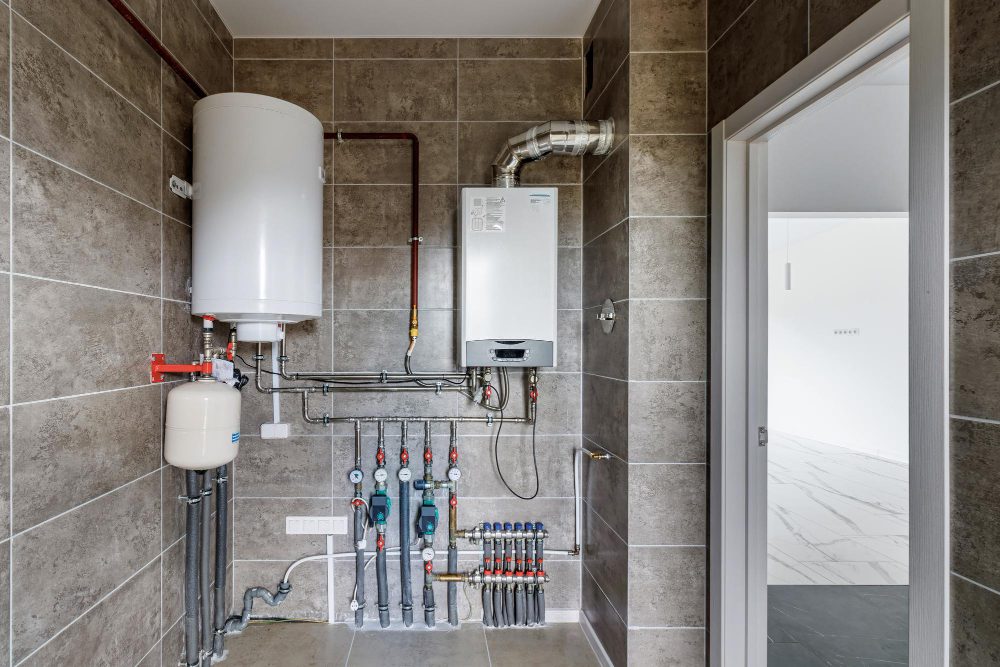
Unlike a traditional tank that keeps water constantly heated and ready for use, a tankless system heats water on demand as it flows through the unit. This means no standby energy loss from keeping a tank hot around the clock, which is one of the main reasons tankless units tend to run more efficiently over time. The heating process happens almost instantly as water passes through the unit’s heat exchanger, which is what allows for a continuous supply rather than a limited tank capacity. This on-demand design is also why tankless units take up so much less physical space compared to a traditional tank. Most residential models mount directly to a wall, either indoors in a utility area or outdoors depending on the climate and local code requirements, which frees up significant square footage that a bulky tank would otherwise occupy. Gas-powered tankless units generally offer a higher flow rate than electric models, which makes them a common choice for larger households, while electric units tend to suit smaller homes or those without existing gas service.
Upfront Cost Versus Long-Term Savings
The initial investment for a tankless system is higher than a traditional tank, both for the unit itself and for installation, which sometimes requires upgrading gas lines or electrical capacity depending on the model. However, tankless units typically use twenty to thirty percent less energy than tank models, and that difference adds up significantly over the life of the unit, which often exceeds fifteen years, well beyond the typical lifespan of a traditional tank. For households with high hot water demand, such as larger families or homes that frequently run multiple showers and appliances at once, the savings and the added convenience of never running out of hot water tend to make the investment worthwhile faster than for smaller households with lighter usage. Utility rebates are sometimes available for high-efficiency units, which can help offset some of the upfront installation cost. Factoring in these incentives is worth doing before making a final decision. It is also worth considering the cost of ownership over time rather than focusing solely on the purchase price, since a tankless system typically requires fewer major repairs across its lifespan compared to a tank that gradually accumulates sediment and wear.
Installation Considerations Specific to the Bay Area
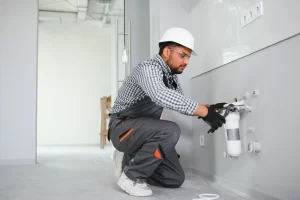
Older homes throughout Fremont and the surrounding East Bay were often built with plumbing and electrical systems that were not designed with tankless units in mind. A proper installation may involve upsizing gas lines, adding venting, or in some cases addressing electrical capacity for electric tankless models. This is where working with an experienced team matters most, since an improperly sized installation can lead to inconsistent water temperature or reduced efficiency. Our water heater installation services include a full assessment of your home’s existing setup before recommending a specific unit. Homes with unique layouts or older infrastructure may need a slightly more involved installation process, which is why an in-person evaluation is always the right starting point. Local permitting requirements also play a role in the timeline, since most tankless installations in this area require inspection to confirm the venting and gas or electrical work meet current code.
Is It the Right Choice for Your Home?
Homes with limited space benefit from the compact size of tankless units, which mount on a wall and free up the area a bulky tank would otherwise occupy. Homeowners planning to stay in their property long term generally see the best return on investment, since energy savings accumulate over many years. On the other hand, if your current tank system still has plenty of life left, replacing it early purely for efficiency gains may not make financial sense just yet. Households with fluctuating hot water needs, such as those that occasionally host guests or run a home business, may also find the flexibility of a tankless system particularly appealing. Weighing your specific household patterns against the upfront cost is the clearest way to reach the right decision. It also helps to think about resale value, since many homebuyers in this market view a tankless system as a desirable upgrade, particularly in a region where energy efficiency is a common selling point. Homeowners currently renovating a bathroom or kitchen sometimes find it a convenient time to switch systems as well, since walls and plumbing access are already open for other work.
Every household’s hot water needs are a little different, and that is exactly why this decision deserves more than a generic recommendation. At Active Plumbing, we look at your actual usage patterns and your home’s setup before suggesting a system, not just what is trending. Give us a call and let’s find the option that actually earns its keep in your home.
FAQs
Does a tankless water heater last as long as a traditional tank?
Tankless units typically last fifteen to twenty years, compared to eight to twelve years for traditional tank water heaters. This longer lifespan helps offset the higher upfront installation cost over time, particularly for households that plan to stay in their home long term.
Do tankless water heaters require special maintenance?
Yes, periodic descaling is recommended, especially in areas with harder water, to prevent mineral buildup inside the unit. This maintenance is generally simpler than tank flushing and helps preserve the system’s efficiency and lifespan over the years.
Can a tankless water heater supply an entire house at once?
It depends on the unit’s flow rate and your household’s simultaneous hot water demand. Larger homes sometimes benefit from multiple smaller units or a higher capacity model to ensure consistent hot water during peak usage times.