









Quick Summary
Gas line work is one of the few plumbing tasks where hiring a licensed, experienced professional is not optional, since even a small mistake can create a serious safety hazard. Whether the project involves running a new line for an outdoor kitchen, repairing an aging pipe, or replacing corroded fittings, the process involves specific safety codes, pressure testing, and inspection requirements that protect the home and everyone in it. Understanding what a proper installation involves, along with typical cost ranges, helps Fremont homeowners set realistic expectations and choose a qualified plumber for the job.
Whether the project involves a gas line installation Fremont CA homeowners need for a new range or outdoor fire feature, or repairing a section of aging pipe that has started to corrode, gas piping work is not something to hand off to an unlicensed contractor or attempt as a do it yourself project.
Natural gas is safe when installed and maintained correctly, but a poorly sealed fitting or an improperly sized line can create a serious hazard. This guide walks through what gas line work involves, what it typically costs, and how to choose a qualified professional for the job.
At Active Plumbing, our licensed technicians handle gas line repair and installation throughout Fremont and the surrounding East Bay, following the safety codes and testing procedures required to keep every project compliant and secure.
Why this Work isn’t a DIY Project
Gas piping is governed by strict building and safety codes for good reason. An improperly sized line can starve an appliance of the gas pressure it needs to run safely, while a poor connection can allow gas to escape slowly into a wall cavity or crawl space, undetected for weeks.
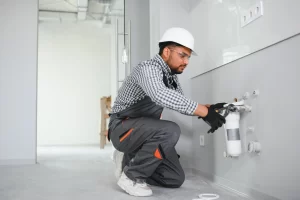
Licensed plumbers are trained to size lines correctly, use approved materials and fittings, and pressure test every joint before a line is put into service, none of which a homeowner should attempt without the proper training and equipment.
Common Signs You Need Gas Line Repair
A rotten egg or sulfur smell near an appliance, meter, or section of visible pipe, which indicates the odorant added to natural gas for leak detection.
A hissing sound near a gas fitting or appliance connection.
Dead or discolored vegetation above a buried gas line with no other explanation.
A pilot light that frequently goes out or burns with an unusual color, which can signal a pressure or supply issue.
Higher than expected gas bills without a clear change in usage, which sometimes points to a slow leak.
The Gas Line Installation Process
A typical gas line project starts with an assessment of the appliance’s gas demand, measured in BTUs, to determine the correct pipe diameter and routing.
The technician then runs the line using approved materials, secures it properly along its path, and makes each connection with the correct fittings and sealant rated for gas use.
Once the line is in place, it undergoes a pressure test to confirm there are no leaks before it is connected to the appliance and put into service.
Materials Used in Modern Gas Piping
Black iron pipe remains a common standard for gas lines because of its strength and long track record, though corrugated stainless steel tubing, often called CSST, has become popular for its flexibility and easier installation around obstacles. Each material has its own fitting requirements and code considerations, and a licensed plumber will recommend the option best suited to your specific project and local code requirements.
What Affects the Cost of Gas Line Work
Several factors influence the price of a gas line project, including the length of pipe required, whether the work is indoors or requires trenching outdoors, the number of fittings and connections needed, and whether an existing line needs to be upsized to support a new appliance.
A short repair to an existing line will cost far less than running an entirely new line to a detached structure or outdoor kitchen. Getting a written estimate after an in-person assessment is the most reliable way to understand the true cost for your specific project.
Permits and Inspections in Fremont
Most gas line installations and significant repairs in Fremont require a permit from the city, along with an inspection once the work is complete. This step exists to confirm the installation meets current safety codes before the line is put into regular use. A licensed plumbing contractor will typically pull the permit and coordinate the inspection as part of the project, saving homeowners the hassle of navigating the process themselves.
Safety Precautions Every Homeowner Should Know
If you ever suspect a gas leak, whether from a rotten egg smell, a hissing sound, or dead vegetation over a buried line, leave the area immediately without using light switches, lighters, or any electrical device that could create a spark.
Once safely away from the building, call 911 and your gas utility. PG&E provides detailed guidance on recognizing the signs of a leak and locating the main shutoff valve, which every homeowner should know how to find before an emergency happens.
How to Choose the Right Gas Line Contractor
Confirm the contractor holds an active California C-36 plumbing license and carries liability insurance.
Ask whether they pull permits and coordinate inspections as part of the project.
Request a written estimate that outlines materials, labor, and any anticipated permit fees.
Look for a company with specific experience in gas piping, not just general plumbing repairs.
Ask about warranty coverage on both the installation and the materials used.
Active Plumbing: Fremont’s Trusted Gas Line Specialists
Active Plumbing has handled gas piping repairs and installations throughout Fremont for more than 20 years, and every project is completed by licensed technicians who prioritize safety at every step. From a single appliance connection to a full line replacement, our team handles the permitting, testing, and inspection process so you don’t have to.
Contact Active Plumbing today or book a gas line assessment online to get started.
Frequently Asked Questions
How much does gas line installation cost in Fremont?
Costs vary widely depending on the length of the line, whether trenching is required, and the number of fittings involved, which is why an in-person assessment and written estimate is the best way to get an accurate price.
Can I install a gas line myself?
No. Gas line work should always be completed by a licensed plumber, since improper installation can create a serious safety hazard and most jurisdictions require a licensed contractor to pull the necessary permit.
How long does a gas line installation take?
A straightforward appliance connection may take a few hours, while a longer run or an installation requiring trenching can take a full day or more depending on the scope.
What should I do if I smell gas in my home?
Leave the home immediately without using any switches or electronics, then call 911 and your gas utility once you are safely away from the building.
Does Active Plumbing handle both repairs and new gas line installations?
Yes. Active Plumbing handles gas line repairs, replacements, and new installations for residential and commercial properties throughout Fremont and the surrounding East Bay. [BR]