








Quick Summary
Living with hard water in Fremont, CA can create noticeable challenges throughout a home because dissolved minerals gradually accumulate inside plumbing systems, fixtures, appliances, and water heating equipment. Although the effects develop slowly, mineral buildup eventually influences efficiency, cleaning performance, water flow, and long-term plumbing reliability.
Understanding how hard water affects everyday household activities helps homeowners make informed decisions about protecting valuable plumbing investments. Installing the right treatment system reduces mineral accumulation while improving water quality and extending the service life of equipment connected throughout the plumbing system.
What Is Hard Water?
Hard water contains elevated concentrations of naturally occurring minerals, primarily calcium and magnesium, collected as groundwater travels through rock and soil before entering municipal distribution systems. These minerals remain safe for normal household use, although they gradually leave deposits inside plumbing systems whenever water flows through pipes and fixtures.
Unlike contaminated water, hard water does not indicate unsafe drinking conditions because the concern relates primarily to mineral concentration instead of harmful pollutants. The challenge develops gradually as mineral deposits accumulate over time, reducing plumbing efficiency and increasing maintenance requirements throughout the home.
Why Hard Water Is Common in the East Bay
Water quality varies from one community to another because local geology influences the amount of dissolved minerals entering public water supplies. Areas supplied by groundwater or mineral-rich sources naturally experience higher hardness levels, creating conditions that affect residential plumbing and household appliances over time.
Homes throughout the East Bay frequently experience mineral-related plumbing concerns because calcium and magnesium continuously circulate through water distribution systems. Understanding local water characteristics allows homeowners to recognize why scale buildup develops while identifying practical solutions before long-term damage becomes more significant.
Signs Your Home Has Hard Water
White Mineral Deposits: Chalky white residue around faucets, showerheads, and sinks indicates minerals are accumulating as hard water evaporates.
Soap Scum Buildup: Persistent soap scum on shower doors, bathtubs, and bathroom fixtures develops because minerals reduce soap’s cleaning effectiveness.
Cloudy Glassware and Dishes: Glasses, plates, and silverware may appear cloudy or spotted after washing due to mineral deposits left behind.
Reduced Plumbing and Appliance Performance: Declining water pressure, frequent water heater maintenance, and reduced appliance efficiency commonly result from scale buildup inside plumbing systems.
Changes in Everyday Comfort: Dry skin after bathing, stiff laundry, and soap that produces less lather are common signs that household water contains elevated mineral levels.
How Hard Water Affects Plumbing
Every gallon of mineral-rich water passing through plumbing leaves tiny deposits inside pipes, valves, fixtures, and water heaters. Although these deposits develop gradually, they steadily narrow pipe interiors while restricting water movement and increasing stress throughout the plumbing system over many years.
Mineral accumulation also affects fixture operation by interfering with valves, faucet cartridges, showerheads, and water-using appliances. As scale continues forming, plumbing components require additional maintenance while operating less efficiently than systems supplied with softened water.
How a Water Softener Works
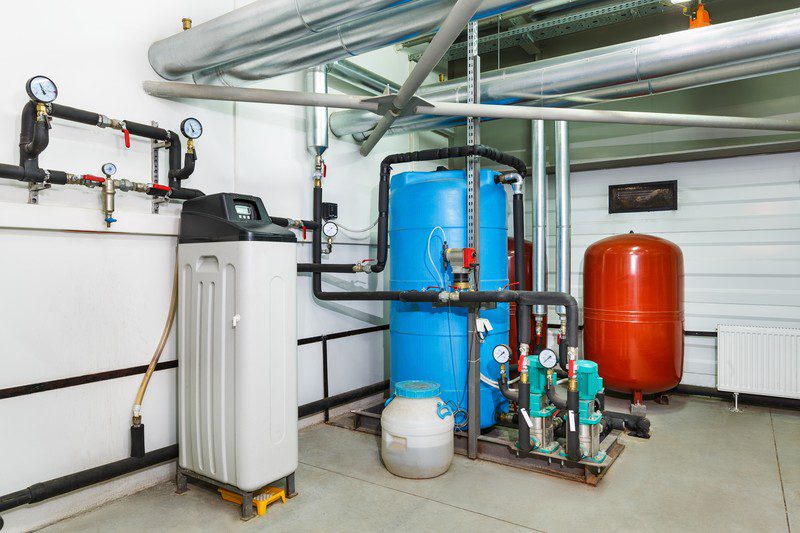
A water softener in Fremont, CA removes hardness minerals through an ion exchange process that replaces calcium and magnesium with sodium or potassium ions before water travels throughout the plumbing system. This treatment significantly reduces mineral accumulation while improving overall plumbing performance and household water quality.
After regeneration cycles restore the treatment media, the system continues processing incoming water automatically without interrupting daily household activities. Modern water softeners operate efficiently while supplying softened water consistently for bathing, cleaning, cooking, laundry, and appliance operation throughout the home.
Benefits of Installing a Water Softener
Protects Plumbing Pipes: Reduces mineral buildup inside pipes, helping maintain consistent water flow while lowering long term plumbing wear.
Extends Appliance Lifespan: Minimizes scale accumulation inside water heaters, dishwashers, washing machines, and other water using appliances, helping them operate longer.
Improves Water Heater Efficiency: Heating elements and storage tanks perform more efficiently when mineral deposits no longer restrict heat transfer.
Reduces Fixture Maintenance: Faucets, showerheads, and valves remain cleaner because mineral deposits accumulate much more slowly after water softening.
Keeps Laundry Softer: Clothes, towels, and bedding feel softer while maintaining their appearance because minerals no longer remain trapped within fabric fibers.
Reduces Mineral Stains: Sinks, bathtubs, toilets, and shower doors develop fewer hard water stains, making routine household cleaning easier.
Water Softeners and Filtration Are Different
Although people frequently associate the two systems together, water softeners & filtration address different water quality concerns. Water softeners reduce hardness minerals responsible for scale buildup, while filtration systems remove sediments, chlorine, odors, tastes, and selected contaminants depending upon the treatment technology installed.
Combining both systems creates a comprehensive water treatment solution because softened water protects plumbing while filtration improves overall water quality for drinking and household use. Choosing the appropriate combination depends upon existing water conditions, household priorities, and long-term plumbing goals.
Choosing the Right Water Softener
Selecting the best water softener East Bay CA homeowners need involves evaluating household water usage, plumbing configuration, family size, hardness levels, regeneration efficiency, and available installation space. Every property benefits from equipment properly matched to its daily water demand instead of relying upon oversized or undersized treatment systems.
Protect Your Plumbing from Hard Water Damage
Reducing mineral buildup today helps protect plumbing systems, appliances, fixtures, and water heaters for years into the future while improving everyday household comfort. Active Plumbing LLC combines more than twenty years of family-owned experience with trusted workmanship, quality parts, and labor guarantees for professional water treatment solutions. Book now to discuss the ideal water softening system for your home.
FAQs
Is hard water harmful to household plumbing?
Yes, long-term mineral accumulation gradually restricts water flow, damages fixtures, reduces appliance efficiency, and increases plumbing maintenance requirements.
How does a water softener improve plumbing performance?
Removing calcium and magnesium reduces scale buildup, helping pipes, fixtures, and appliances operate more efficiently with fewer mineral-related problems.
Should filtration and water softening be installed together?
Combining both systems improves overall water quality while reducing hardness minerals and addressing additional water treatment concerns throughout the home.