








Quick Summary
Early signs such as multiple slow drains, sewage odors, or recurring backups often indicate sewer line problems that require professional evaluation. Modern trenchless repair methods can reduce disruption while providing durable, long-term results.
A sewer line problem has a way of announcing itself at the worst possible time, often with unpleasant odors, slow drains throughout the house, or worse, sewage backing up into a tub or floor drain. Sewer line repair that Fremont CA homeowners search for is rarely a purchase anyone plans for, but understanding the warning signs and the options available can make the process far less overwhelming when it happens. Sewer issues tend to develop gradually underground, out of sight, which is exactly why they often catch homeowners off guard. Recognizing the early symptoms gives you a real chance to address the problem before it turns into a major disruption. A little awareness now can spare you from a much messier situation later.
Warning Signs of a Failing Sewer Line
Multiple slow drains throughout the home at the same time are one of the clearest indicators of a sewer line issue rather than an isolated clog. Unusually lush or soggy patches of grass in the yard can also point to a leaking or broken line beneath the surface. In older parts of Fremont with mature trees, root intrusion is one of the most common culprits, as roots seek out moisture and infiltrate pipe joints over time. Cracks in your foundation or unexplained pest activity near a specific area of the yard can sometimes be tied to a leaking sewer line as well. Paying attention to these less obvious clues can help you catch a problem before it becomes a full blockage. An increase in rodent or insect activity near a certain part of the property is another sign worth taking seriously, since pests are often drawn to the moisture and organic material associated with a leaking line. Homeowners sometimes notice a sudden, unexplained rise in their water bill, which can indicate that water is escaping underground through a cracked pipe.
Traditional Repair Versus Trenchless Technology
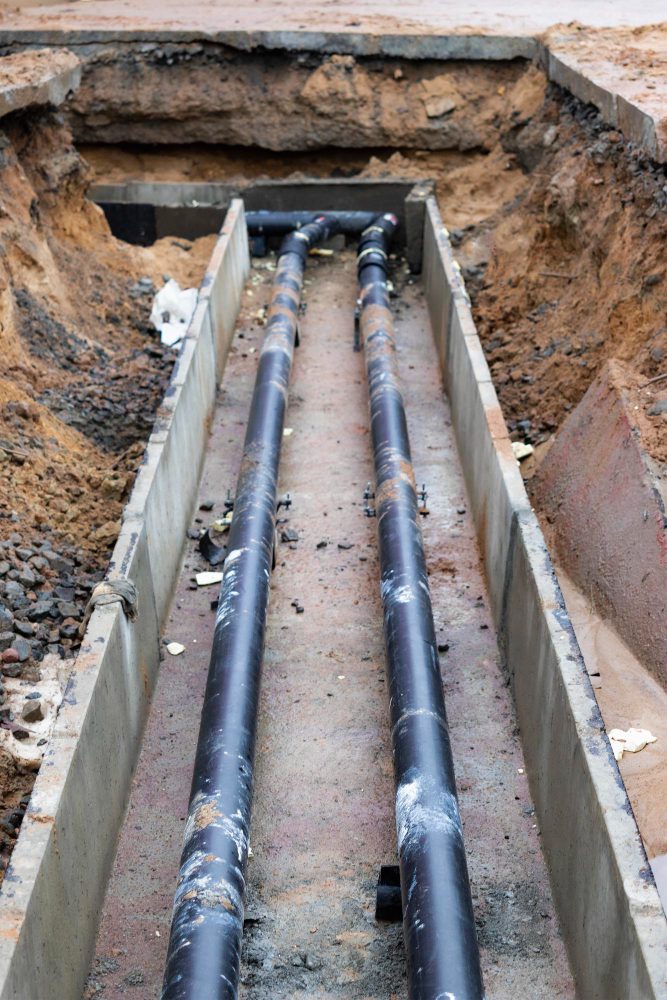
Traditional sewer repair involves digging a trench along the damaged section of pipe to access and replace it directly. This method works well for isolated damage but can be disruptive to landscaping, driveways, or hardscaping above the line. Trenchless repair, by contrast, uses methods like pipe bursting or lining to repair or replace the pipe with minimal excavation, often through just a couple of small access points. This approach has become increasingly popular because it significantly reduces the disruption to your property while still delivering a durable, long-lasting result. Our sewer and drain piping services include both trenchless and traditional options, and we walk homeowners through which approach fits their specific situation based on the extent and location of the damage. Trenchless methods also tend to reduce overall project timelines, which minimizes disruption to daily life while the work is completed. Choosing between the two ultimately comes down to the specific damage found during inspection. Pipe lining works by placing a liner coated with resin into the damaged pipe, which then hardens to form a smooth new interior surface, effectively creating a pipe within a pipe.
What Determines the Cost
The severity and length of the damaged section, the depth of the pipe, and whether trenchless or traditional methods are used all factor into the final price. Trenchless repair often costs more per linear foot but can end up being more economical overall once you factor in restoring landscaping, driveways, or other surfaces that traditional excavation would disturb. A camera inspection beforehand is essential for an accurate estimate, since it reveals exactly where the damage is and how extensive it truly is before any digging begins. The overall condition of the rest of the sewer line also plays a role, since a company may recommend addressing nearby weak points at the same time to avoid repeat work. Getting a full picture before the project starts helps prevent unexpected costs midway through. The depth at which the pipe sits underground significantly affects labor time as well, since deeper lines require more extensive digging or specialized equipment to access safely.
Preventing Future Sewer Issues
Regular camera inspections, especially for homes with mature trees nearby, can catch root intrusion before it causes a full blockage or collapse. Being mindful of what goes down drains, avoiding grease and non-flushable items, also reduces strain on the system over time. For homes with a history of sewer trouble, routine maintenance through our general plumbing services can help catch small issues while they are still manageable. Scheduling an inspection before purchasing an older home is also a smart precaution, since sewer line condition is not something you can assess just by looking at a property. Staying proactive rather than reactive tends to save homeowners significant money over time. Planting new trees a safe distance from underground pipes and being selective about root systems for existing landscaping can also reduce the likelihood of future intrusion.
An underground problem should never mean an above-ground mess if you have the right team handling it. Active Plumbing assesses the damage first, lays out your options honestly, and recommends whichever approach protects your property and your wallet. Schedule your inspection now, before a manageable issue turns into a major one.
FAQs
How do I know if I need sewer repair versus just drain cleaning?
If the issue is isolated to one drain, it is likely a localized clog. If multiple drains are affected simultaneously, along with odors or gurgling, it typically points to a sewer line issue that requires a camera inspection to confirm.
Is trenchless sewer repair as durable as traditional replacement?
Yes, trenchless methods use durable materials designed to last for decades, comparable to traditional pipe replacement. The main difference is the installation process, which requires far less excavation while still delivering a long-lasting, structurally sound repair.
What causes tree roots to invade sewer lines?
Tree roots naturally grow toward moisture sources, and small cracks or joints in aging sewer pipes provide an entry point. Once inside, roots continue growing and can eventually block or damage the pipe if not addressed.