








Quick Summary
Choosing the right water heater involves balancing household hot water demand, energy efficiency, installation requirements, and long-term operating costs. Professional installation helps the system perform safely and reliably for years to come.
Whether your old unit finally gave out or you are building out a new space, water heater installation Fremont homeowners plan for involves more decisions than most people expect going in. Between choosing the right size, deciding on fuel type, and understanding what the installation process actually involves, it helps to know what you are working with before a technician shows up at your door. Many homeowners assume installation is a simple swap, only to find several important factors affect both cost and performance down the line. Taking the time to understand these details upfront leads to a much smoother experience overall.
Choosing the Right Type and Size
Traditional tank water heaters remain a popular, budget-friendly choice, available in a range of tank sizes to match household hot water demand. Tankless units cost more upfront but offer better long-term efficiency and a smaller footprint, which appeals to homeowners working with limited space. Sizing matters significantly here. A unit that is too small will leave you running out of hot water during peak use, while an oversized unit wastes energy and money unnecessarily. Fuel type is another consideration. Gas units generally heat water faster and cost less to operate in areas with reasonable gas rates, while electric units are simpler to install in homes without existing gas lines. A proper assessment of household usage patterns and existing utility setup should always come before recommending a specific water heater solution. Households with growing families or changing routines should also consider future hot water needs rather than sizing only for current use. Homes with two or more bathrooms running showers close together in the morning often need a larger tank capacity or a higher flow rate unit than a household with lighter usage.
What the Installation Process Involves
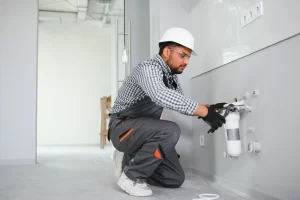
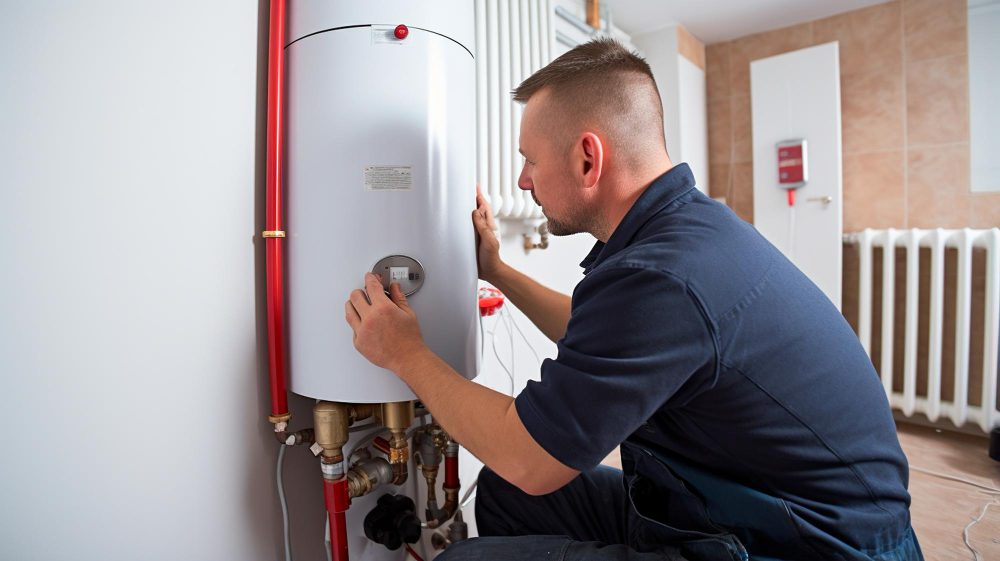
A typical installation begins with removing the old unit, if applicable, and inspecting the surrounding connections, venting, and gas or electrical lines for compatibility with the new unit. Permits are often required for water heater installation in Fremont, and a licensed plumber will handle this process to ensure the work meets current code requirements. Skipping permits might seem like a shortcut, but it can create real problems later, particularly when selling a home or filing an insurance claim. Proper disposal of the old unit is also part of a professional installation, which saves homeowners the hassle of figuring out removal on their own. Before the new unit is set in place, technicians check that the surrounding area meets current safety clearances, including proper spacing from walls and combustible materials, which is especially important for gas units. Existing venting is inspected closely as well, since older venting materials may no longer meet current code and can require replacement as part of the installation.
Typical Costs and Timeline
Standard tank water heater installations are generally completed within a few hours, assuming no major modifications to venting or gas lines are needed. Tankless installations tend to take longer, often a full day, particularly if gas line upsizing or additional venting work is required. Costs vary based on unit type, size, and the complexity of the installation, with tankless systems carrying a higher installation cost due to the additional venting and gas line considerations involved. Older homes sometimes require additional work to bring existing connections up to current code, which can add to both the cost and timeline. Getting a clear, itemized quote before work begins helps avoid surprises once the job is underway. For homeowners also considering broader system upgrades, exploring the full range of plumbing services alongside a new water heater installation can sometimes streamline both the project and the cost. Scheduling installation during a planned renovation can also reduce overall disruption to the home.
Choosing the Right Installer
Not every plumbing company handles water heater installation with the same level of care, and the difference often shows up months or years later rather than on installation day itself. Look for a licensed, insured team that pulls the proper permits and does not treat that step as optional. A good installer will also walk through the reasoning behind their recommendation, explaining why a particular size or fuel type fits your household rather than simply installing whatever unit happens to be in stock. Asking about warranty coverage, both on labor and on the unit itself, is a simple way to gauge how confident a company is in its own work. A team willing to put guarantees in writing is generally a good sign that they stand behind the installation for the long haul.
What to Expect After Installation
Once installed, a new water heater should be tested for proper operation, including checking for leaks at all connections and verifying the temperature setting is safe and consistent. A good installation team will also walk you through basic maintenance expectations, like flushing the tank periodically, to help you get the most life out of your new unit. Many installations also come with a labor and parts guarantee, which offers peace of mind in the months following the work. It is also worth asking about the manufacturer’s warranty on the unit itself, which is typically separate from the installation guarantee and can vary depending on the brand and model chosen.
A water heater installation does not need to be stressful when you know what to expect going in. At Active Plumbing, our team handles every step, from choosing the right unit to pulling permits and completing the install correctly the first time. Reach out today and let’s get your hot water running reliably again.
FAQs
How long does a standard water heater installation take?
Most tank water heater installations are completed within a few hours, assuming no significant modifications to existing gas, electrical, or venting connections are needed. Tankless installations typically take longer due to additional venting and line requirements.
Do I need a permit to install a new water heater?
Yes, in most cases a permit is required to ensure the installation meets current safety and code standards. A licensed plumber handles this process, which also protects you when selling your home or filing an insurance claim later.
What size water heater does my household need?
Sizing depends on the number of people in your household and your peak hot water usage times. A professional assessment helps avoid choosing a unit that is too small, which runs out of hot water, or too large, which wastes energy.