








Quick Summary
Home repiping is often the most cost-effective long-term solution for aging plumbing systems with recurring leaks, corrosion, or low water pressure. Project costs depend on pipe material, home size, accessibility, and whether a full or partial repipe is appropriate.
Few home improvement projects sound as daunting as repiping an entire house, but for homeowners dealing with recurring leaks, discolored water, or persistently low pressure, it is often the fix that finally solves the problem for good rather than treating symptoms one at a time. Understanding home repiping cost Fremont CA homeowners can expect helps take some of the mystery out of what is admittedly a significant investment. It is natural to feel a bit overwhelmed at the idea of replacing pipes throughout an entire home, but breaking the project down into clear steps makes it far more approachable.
Signs Your Home May Need Repiping
Frequent leaks in different parts of the house, rusty or discolored water, unusually low water pressure, and visible corrosion on exposed pipes are all signals that your plumbing system may be nearing the end of its useful life. Homes built several decades ago, particularly those with galvanized steel piping, are especially prone to these issues as the interior of the pipes corrodes and narrows over time, restricting flow and eventually leading to leaks. A noticeable drop in water pressure across multiple fixtures at once, rather than just one, is often one of the clearest early indicators of widespread pipe deterioration. Homeowners sometimes notice these signs gradually, which makes them easy to dismiss until a leak finally forces the issue.
What Affects the Total Cost
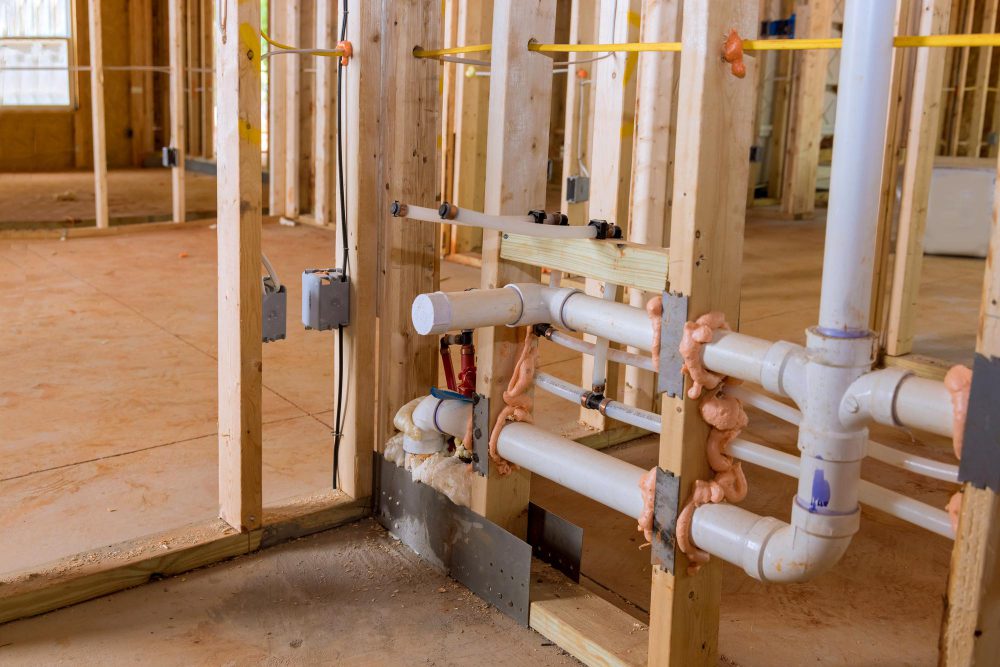
The size of your home plays a major role, since more square footage generally means more pipe runs and more labor hours. The material chosen also matters significantly. Copper piping tends to cost more upfront but offers excellent durability and longevity, while PEX piping has become popular for its lower material cost, flexibility, and faster installation time, making it a common choice for East Bay homeowners looking to balance quality with budget. Accessibility affects pricing too. A single-story home with an accessible crawl space is generally less expensive to repipe than a multi-story home where pipes run through finished walls and ceilings, since more demolition and patchwork is involved in reaching them. The number of fixtures and bathrooms in the home also factors into the total scope of work. Homes with more complex layouts naturally require more planning and coordination to complete the project efficiently.
Full Repipe Versus Partial Repipe
Not every home needs a complete repipe. If only certain sections are showing problems, such as pipes serving a specific bathroom or kitchen, a partial repipe can address the issue at a lower cost. However, if the piping material throughout the home is uniformly old, such as galvanized steel that is now decades past its expected lifespan, a full repipe often ends up being more cost-effective in the long run than repeatedly patching individual failures. Our repiping services start with a full assessment to determine which approach actually fits your home’s condition. A partial repipe can sometimes serve as a practical interim step for homeowners planning a larger renovation down the road. Weighing the timeline of other planned home improvements can help determine which approach makes the most sense.
Budgeting Realistically
Repiping costs vary widely based on the factors above, and getting a written, itemized estimate is the best way to understand what you are actually paying for. Be wary of quotes that seem unusually low, as they may not account for permits, wall repair, or the full scope of pipe replacement needed. A thorough estimate should include labor, materials, and any drywall or patching that will need to be redone once the plumbing work is complete. For homeowners weighing repiping against other major work, our general plumbing services team can help prioritize what needs attention first. Setting aside a small buffer beyond the initial estimate is generally wise, since unexpected issues can sometimes surface once walls are opened. Planning with a realistic budget helps avoid mid-project surprises.
Nobody wants to guess their way through a project this significant, and you should not have to. Our team at Active Plumbing walks every home in person, explains what we find in plain terms, and backs up our numbers with a written estimate. Call today and let’s map out exactly what your pipes need.
FAQs
How long does a full home repipe typically take?
Most full repipes take between three and seven days, depending on the size of the home and the complexity of the existing plumbing layout. Homeowners can often remain in the home during the process, though water access is limited at times.
Is PEX piping as durable as copper?
PEX is highly durable and resistant to corrosion, though it has a somewhat shorter expected lifespan than copper. Many homeowners choose PEX for its lower cost and flexibility, while others prefer copper for its long-standing track record and resale value.
Will repiping damage my walls?
Some wall or ceiling access is usually necessary, particularly in multi-story homes. A skilled plumbing team minimizes the amount of demolition needed and can coordinate patching so the disruption to your home’s finishes stays as limited as possible.